

Grass is one of Irish dairy farming’s greatest strengths
This summer’s drought conditions, and the pressure it put on grass growth and fodder supplies, showed just how important grass is to Irish dairy. Despite the recent challenges, grass remains at the heart of Irish dairy farming. It is not only important for milk production, it is also a key part of what sets Irish dairy apart in export markets.
Bord Bia’s talks to Irish dairy farmers about their grassland management and the challenges they faced this summer.
We also hear from David Kennedy, Bord Bia Head of Dairy on why grass-fed matters to dairy customers around the world, and how Bord Bia verifies the grass-fed credentials of Irish dairy.
Hear from David Hally


Hear from David Kennedy

Hear from Martin Crowe

Key Facts

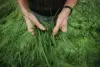
Grass-fed
Grass-fed helps to meet the needs of global customers. Bord Bia's Grass Fed Standard provides independently verified information on grazing, grass intake and feed use, helping dairy processors demonstrate the grass-fed credentials of their milk supplies to customers worldwide.
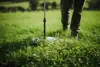
Why Grass-fed matters
Consumers, particularly in high-value markets, often associate grass-fed dairy with natural rearing practices, strong animal welfare credentials and quality nutrition. This makes grass-fed a key point of differentiation for premium Irish dairy products.
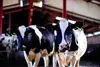
Bord Bia's Grass-fed Standard
Bord Bia’s Grass Fed Standard verifies Irish dairy’s grass-fed credentials Each year, Bord Bia audits around 10,000 Irish dairy farms, collecting data on grazing, grass intake and feed use. This data is used to verify if a processor’s milk pool meets the grass-fed and grazing criteria of the Bord Bia Grass Fed Standard. Eligible dairy processors who are audited under the standard can then provide verified proof of their grass-fed credentials to their customers worldwide.